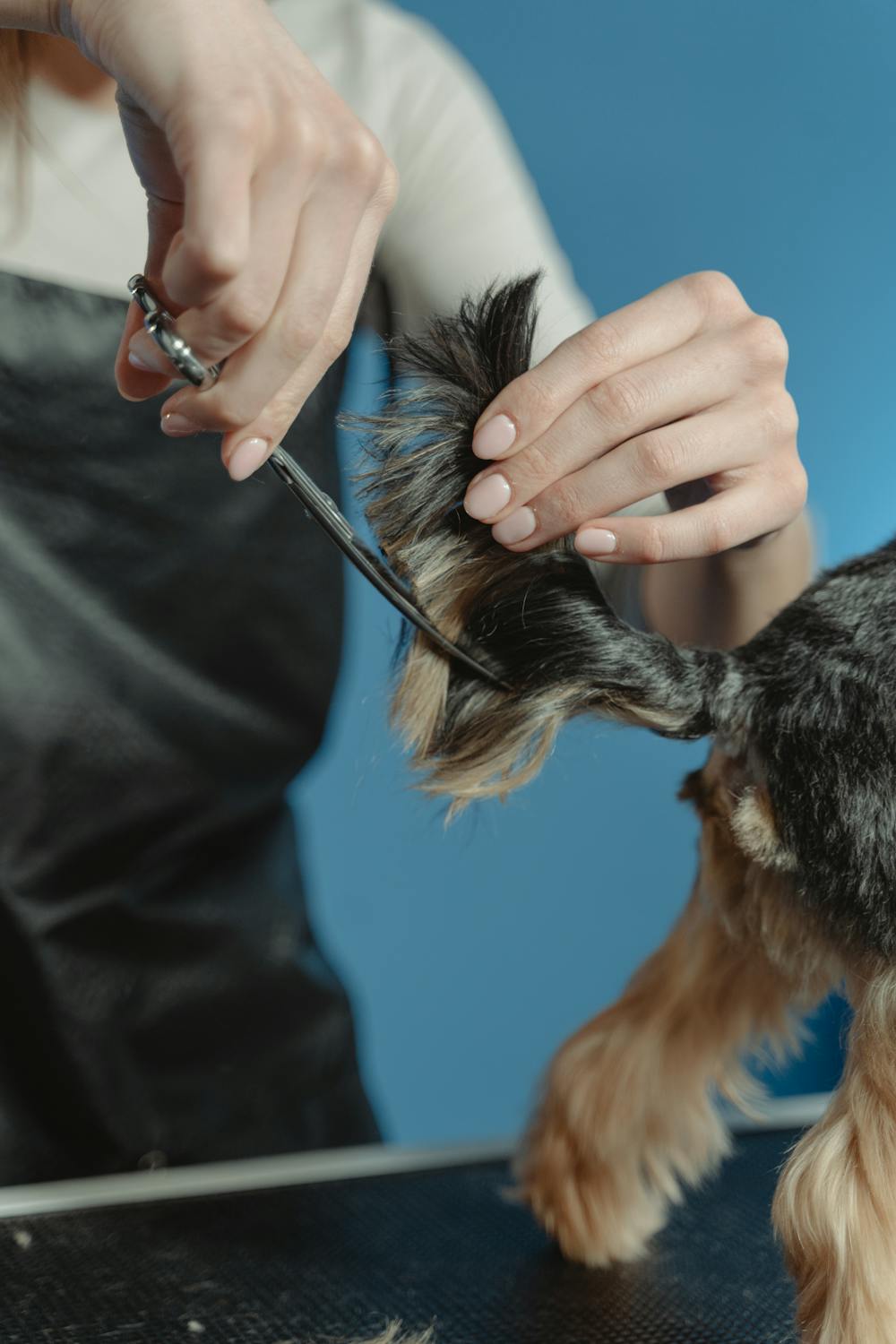
The difference between a good groomer and a great one is not talent — it is habits. Great groomers have refined their approach through thousands of repetitions, learning what works and eliminating what does not. These 15 tips represent the collective wisdom of experienced professionals. Whether you are a new bather or a seasoned stylist, at least a few of these will improve your work.
Speed and Efficiency
1. Stop Re-Grooming
The fastest way to speed up is to get it right the first time. Slow down on each section, finish it completely, then move on. Groomers who rush through the entire dog and then go back to fix areas spend more total time than those who work methodically.
2. Set Up Before the Dog Hits the Table
Blades, shears, combs, bows, cologne — everything should be within arm's reach before you start. Every time you walk away from the table to grab a tool, you lose 30-60 seconds and break your rhythm. Organize your station the same way every single time so muscle memory kicks in.
3. Dry Thoroughly Before You Cut
This seems obvious but a shocking number of groomers start scissoring on damp coats. Wet hair sits differently than dry hair. If you scissor wet, the cut will look uneven once the coat dries and fluffs. Invest the extra 5 minutes in drying — it saves 15 minutes of fixing later.
Technique
4. Let Gravity Help Your Scissoring
When scissoring legs, work with gravity: comb the hair down, let it fall naturally, then trim. Do not hold the hair out horizontally and cut — that creates an unnatural shape that looks wrong once the dog moves. The coat should look good in motion, not just on the table.
5. Master the 7F Blade
The 7F (or 7FC) blade is the workhorse of professional grooming. It gives a clean, even result on most body work without going too short. If you only owned three blades, the 7F, 10, and a 30 would cover 80% of your grooms. Spend extra time practicing your 7F technique — it will pay dividends on every dog.
6. Use Your Non-Dominant Hand
Your free hand should always be doing something: stretching skin, holding a leg in position, bracing a head, or feeling for symmetry. Great groomers are ambidextrous in practice even if not by nature. Train your non-dominant hand to be an active participant in every groom.
7. Scissor Into the Comb
When finishing face work, legs, or topknots, use a comb to lift and control the hair, then scissor across the comb. This gives you a safety barrier between the shears and the dog's skin, and produces a more even result than free-hand scissoring alone.
Dog Handling
8. Read the Dog Before You Touch It
Spend 30 seconds observing the dog before you start. Is it nervous? Excited? Aggressive? Senior? In pain? The information you gather in those first moments determines your entire approach. A dog that enters the salon shaking needs a different energy than one that is bouncing off the walls.
9. Support, Do Not Restrain
There is a critical difference between supporting a dog in position and restraining it against its will. Supporting means using your body and hands to gently guide the dog where you need it. Restraining means forcing. The former produces a calm dog that cooperates; the latter produces a stressed dog that fights you for the rest of the groom. If you are muscling dogs, you are doing it wrong.
10. Take Breaks for Anxious Dogs
If a dog is escalating — panting, whale-eyeing, lip-licking, trying to escape — stop. Give it 30-60 seconds on the table without touching it. Let it sniff, look around, and settle. A brief break often resets the dog's anxiety better than pushing through, and the remaining groom goes faster as a result. This is a core Fear Free principle.
Client Relations
11. Repeat the Request Back
When a pet parent tells you what they want, repeat it back in your own words. "So you want about an inch off the body, round the feet, and clean the face — is that right?" This takes 10 seconds and prevents the single most common source of grooming complaints: miscommunication.
12. Educate, Do Not Lecture
When a dog comes in matted, the owner does not need a guilt trip. They need a groomer who explains the situation matter-of-factly, presents options, and makes them feel like you are on the same team. "The matting is tight enough that brushing through it would be painful. I recommend a short clip to start fresh, and I can show you a quick brushing routine to prevent it next time." That approach builds a loyal, rebooking client. A lecture builds resentment.
13. Send a Photo
Text or message the owner a photo of their dog after the groom. This takes 20 seconds and generates more word-of-mouth referrals than any advertising you could buy. People share cute photos of their dogs. Every share is free marketing for your salon. If your salon does not do this, start doing it yourself.
Business and Career
14. Document Your Work
Take before and after photos of every groom. Over time, this creates a portfolio that proves your skill to future employers and clients. Store them organized by breed so you can quickly reference what you did on a Bichon 6 months ago when the next one comes in. A strong portfolio is worth more than any credential when negotiating pay.
15. Never Stop Learning
The best groomers in the industry are also the most dedicated students. They attend conferences and workshops, watch YouTube tutorials on breeds they rarely see, practice scissoring techniques on their days off, and pursue certifications throughout their career. Complacency is the enemy of excellence in grooming.
Put These Tips Into Practice
Pick two or three tips from this list that address your weakest areas and commit to practicing them for the next two weeks. Small, consistent improvements compound into dramatic skill growth over time.
Ready for a new challenge? Browse grooming jobs on GroomerJob.com and find a position that matches your growing skills. With hundreds of companies hiring across all 50 states, your next opportunity is one click away.


