Some dogs can go months without a professional groom. These are not those dogs. The breeds on this list are the ones that keep grooming salons running — they need regular, skilled maintenance that most pet parents cannot do at home. Understanding these breeds and their grooming requirements is essential for any professional groomer.
1. Poodle (Standard, Miniature, and Toy)
The poodle is the bread and butter of professional grooming. Their continuously growing, curly coat mats quickly without regular brushing and requires professional clipping every 4-6 weeks. Poodle grooming ranges from simple puppy clips to elaborate continental and English saddle patterns. The variety of cuts means poodle clients come back frequently and pay premium prices.
What groomers need to know: Master the poodle and you can groom almost anything. Poodle scissoring skills transfer directly to doodles, bichons, and other curly-coated breeds. Invest heavily in your poodle technique — it is the single most valuable breed specialty in the industry.
2. Goldendoodle / Labradoodle / All Doodles
Doodles have exploded in popularity and they are now the most common breed in many grooming salons. Their coats range from loose wavy to tight curly, they mat aggressively, and most owners have no idea how to maintain them between grooms. Doodles need professional grooming every 6-8 weeks minimum.
What groomers need to know: Every doodle coat is different. There is no single "doodle cut." You need to assess each dog's coat type individually and communicate clearly with owners about what is realistic given their brushing habits. The teddy bear head is the most requested doodle style by far.
3. Shih Tzu
The Shih Tzu's long, flowing double coat requires regular professional maintenance. Most pet owners opt for a puppy cut or teddy bear style rather than the full show coat, but even short cuts need refreshing every 4-6 weeks. Their facial hair grows into their eyes without regular trimming, and their flat faces require careful attention around the nose and mouth.
What groomers need to know: Shih Tzus are one of the most common breeds you will see. Develop an efficient Shih Tzu workflow — you will repeat it hundreds of times per year. Pay special attention to the eye area and tear staining.
4. Bichon Frise
The Bichon's powder-puff coat is one of the most grooming-intensive in the dog world. It requires regular scissoring to maintain its round shape, and it mats rapidly without consistent brushing. Professional grooming every 4-6 weeks is non-negotiable for Bichon owners.
What groomers need to know: Bichon grooming is all about scissoring symmetry. The round head, blended body, and cylindrical legs require precise scissor work. A well-groomed Bichon is a walking advertisement for your skills.
5. Cocker Spaniel
Both American and English Cocker Spaniels have dense, silky coats that require professional grooming every 4-8 weeks. Their long ears are prone to matting and infection if not kept clean and trimmed. The traditional Cocker cut involves hand-scissoring the skirt and leg feathering, clippered back, and carefully shaped head.
What groomers need to know: Cocker ears are the most challenging part. They tangle easily, and ear infections are common. Always check inside the ears and communicate any concerns to the owner. A clean, well-groomed Cocker ear is a point of pride for experienced groomers.
6. Yorkshire Terrier
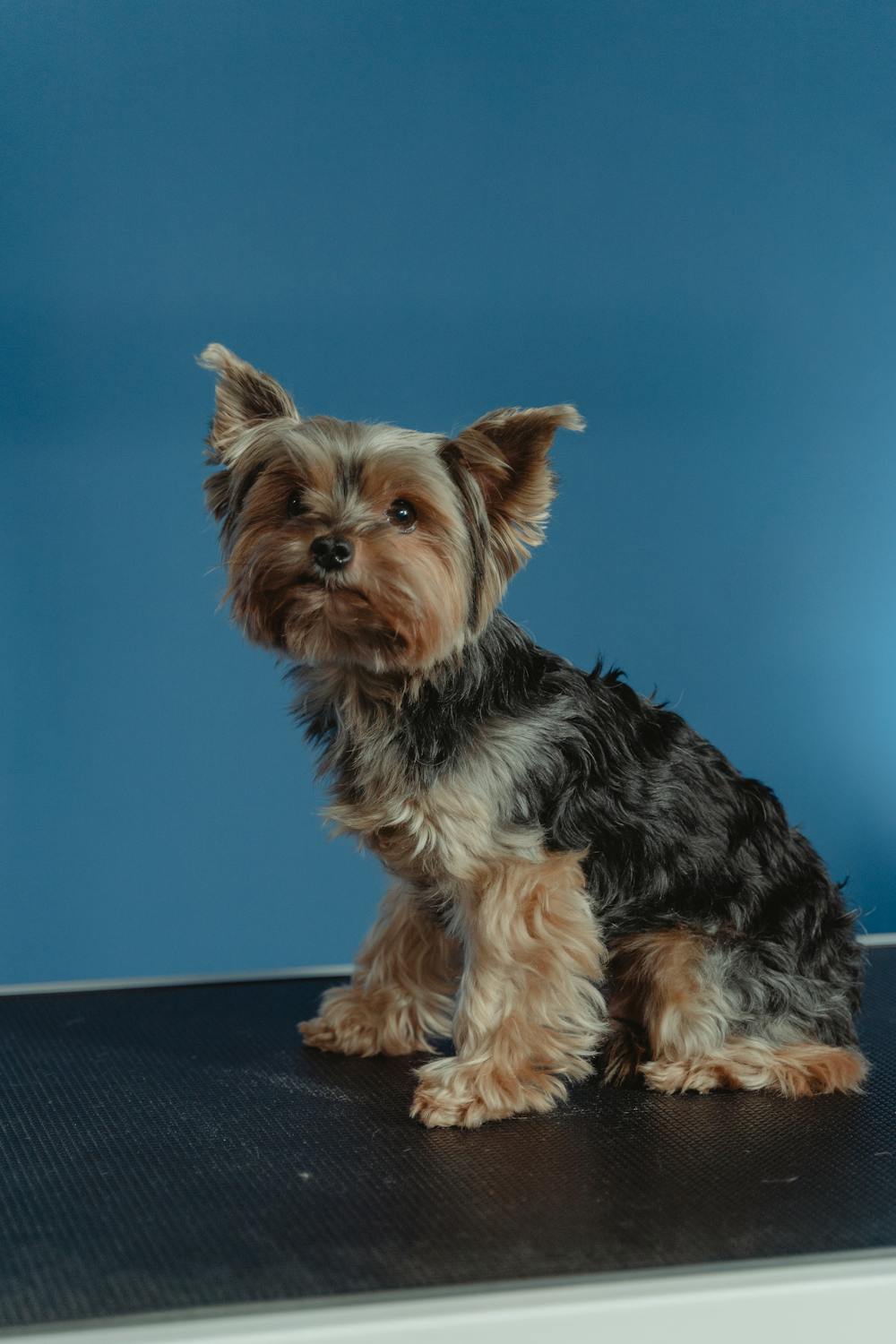
Yorkies have hair that grows continuously, similar to human hair, and requires regular trimming and styling. Their fine, silky coat tangles easily and most pet Yorkies are kept in a short puppy cut for maintenance ease. Despite their small size, Yorkies are a high-frequency grooming client — every 4-6 weeks.
What groomers need to know: Yorkies can be feisty on the table. Gentle, confident handling is key. Their small size means the grooming goes quickly, so you can often fit more Yorkie appointments into a day than larger breeds.
7. Schnauzer (Miniature, Standard, Giant)
The Schnauzer's wiry double coat requires a specific grooming pattern that most pet owners cannot replicate at home. The traditional Schnauzer clip involves a clipped back, scissored legs, a distinctive beard, and eyebrows. Hand-stripping is the preferred method for show Schnauzers, though most pet Schnauzers are clipped.
What groomers need to know: Learn the Schnauzer pattern early in your career. It is one of the most recognizable breed profiles and clients expect it done correctly. The eyebrows and beard are the signature features — get these right and the rest follows.
8. Maltese
The Maltese's long, white, single-layer coat is stunning when maintained but becomes a matted mess quickly without regular care. Professional grooming every 4-6 weeks is standard, with most pet Maltese kept in a shorter puppy cut. Tear staining management is a major concern for Maltese owners.
What groomers need to know: White coats show everything — staining, uneven cuts, and skin irritation are all more visible. Your bathing, drying, and scissoring must be especially clean on white-coated breeds. Recommend tear stain products to owners proactively.
9. Portuguese Water Dog
Made famous by the Obama family, the Portuguese Water Dog has a thick, curly or wavy coat that grows continuously and requires professional grooming every 4-8 weeks. They are large, energetic dogs that can be challenging to handle on the grooming table, especially as puppies.
What groomers need to know: PWDs come in two traditional clips: the retriever clip (even length all over) and the lion clip (shaved hindquarters, full front). Most pet owners prefer the retriever clip. These are athletic, strong dogs — secure them properly on the table.
10. Old English Sheepdog
The OES has one of the most demanding coats in the dog world. Their thick, shaggy double coat mats aggressively and requires hours of professional grooming. A full OES groom can take 3-4 hours. These dogs need professional grooming every 6-8 weeks, and many owners opt for a shorter clip to reduce maintenance.
What groomers need to know: Charge appropriately for OES grooms. The time investment is significant and many groomers undercharge. A full, well-maintained OES coat is a showpiece that demonstrates your skill and patience to every client in the waiting room.
Why Breed Knowledge Matters for Your Career
The more breeds you can groom confidently, the more valuable you are to employers and clients. Groomers who specialize in high-demand breeds like poodles and doodles can charge premium rates and build loyal client followings.
Ready to put your breed knowledge to work? Search grooming jobs on GroomerJob.com and find a salon that matches your skill set. Browse by city or company to find the perfect fit.


